


Crisis as Catalyst: How Global Institutions Rise from Chaos to Challenge the Kingdom of God



Linked Verses
Genesis 8:1Genesis 11:4–9Psalm 127:11 Samuel 8:5–7Psalm 146:3Luke 4:5–81 Thessalonians 5:32 Thessalonians 2:7Hebrews 12:28Romans 12:2
Concern Summary: Throughout history, moments of global crisis have repeatedly been exploited to consolidate power, centralize authority, and advance systems of governance that promise peace, unity, and safety while quietly displacing God’s sovereignty. What begins as emergency response often evolves into permanent control, reshaping law, morality, and conscience under the justification of necessity. These crisis-born institutions do not merely manage chaos; they frequently institutionalize rebellion by replacing dependence on God with dependence on human systems.
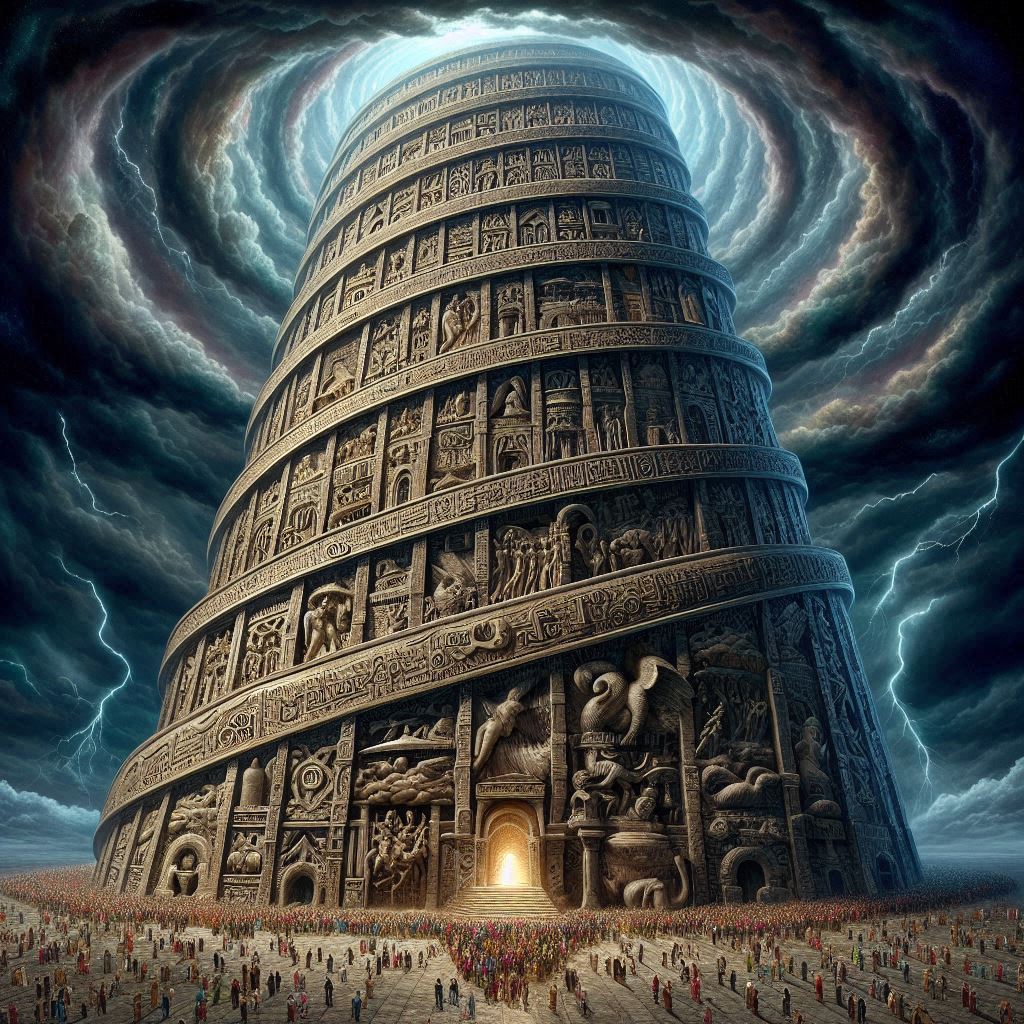
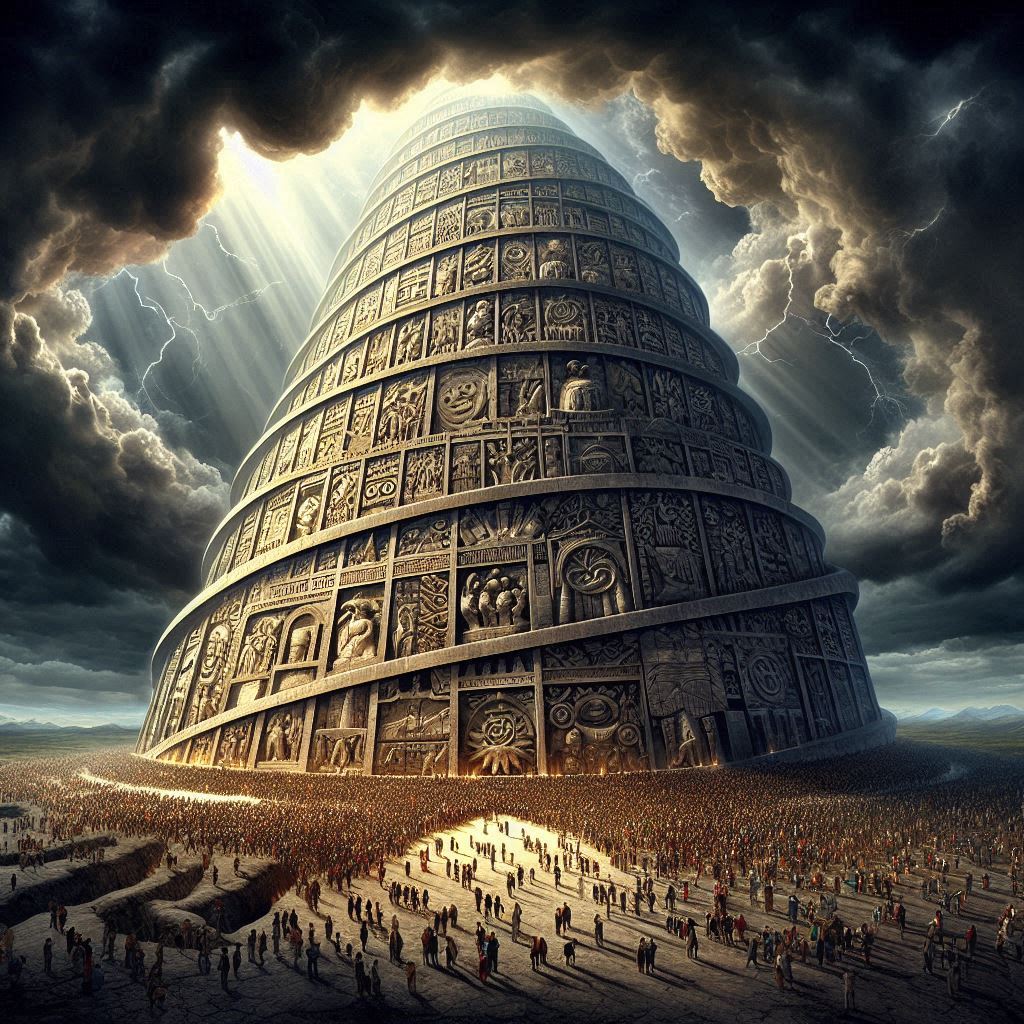
From the aftermath of the Flood to modern pandemics, wars, and economic collapses, Scripture reveals a consistent pattern: when fear rises, mankind is tempted to unify without obedience, to build without submission, and to secure the future without God. In doing so, moral absolutes are softened, biblical truth is marginalized, and righteousness is reframed as extremism. The result is not lasting peace, but escalating strife, confusion, and coercion.
Rather than leading nations toward repentance, many modern institutions born from crisis cultivate a counterfeit order—one that elevates human wisdom, technocratic control, and global consensus above divine authority. This trajectory aligns with Scripture’s warnings about end-times deception, where unity without Christ becomes the foundation for systems that oppose the Kingdom of God while presenting themselves as saviors of humanity.
Scripture Insight: Scripture consistently testifies that God uses crisis as a moment of mercy and restraint, calling mankind to repentance, humility, and renewed trust in Him. When God intervenes in times of judgment or upheaval, it is not to empower human dominance but to preserve life, restrain evil, and redirect hearts toward obedience. Crisis is therefore a spiritual crossroads, revealing whether authority will be submitted to God or seized by man.
From the earliest accounts, unity pursued apart from God results in confusion rather than peace. Human efforts to secure safety, identity, and permanence without submission to divine command inevitably drift toward pride and control. What appears outwardly as progress is often inwardly driven by fear of accountability and rejection of God’s moral order. When truth is replaced with consensus, and righteousness with pragmatism, governance becomes oppressive rather than protective.
The Bible warns that systems promising peace while rejecting God’s rule ultimately prepare the world for a counterfeit kingdom—one that imitates unity but lacks righteousness, and enforces order without truth. In contrast, Christ’s Kingdom is not built through crisis manipulation or coercive authority, but through repentance, obedience, and sacrificial love. Where Christ reigns, peace flows naturally; where He is rejected, control must increase to compensate for the absence of truth.
For believers, discernment is essential. The call is not to withdraw from the world, but to refuse participation in systems that demand loyalty at the expense of obedience to God. Scripture makes clear that while earthly institutions rise and fall, the Kingdom of God remains unshaken, calling His people to trust not in princes, policies, or global structures, but in the eternal reign of Christ alone.