


Halloween – The Celebration of Darkness



Linked Verses
Deuteronomy 18:10–12Ephesians 5:11–12Isaiah 5:20Romans 13:121 Thessalonians 5:5–62 Corinthians 6:14–17Revelation 13:16–181 John 2:15–17John 3:19–21
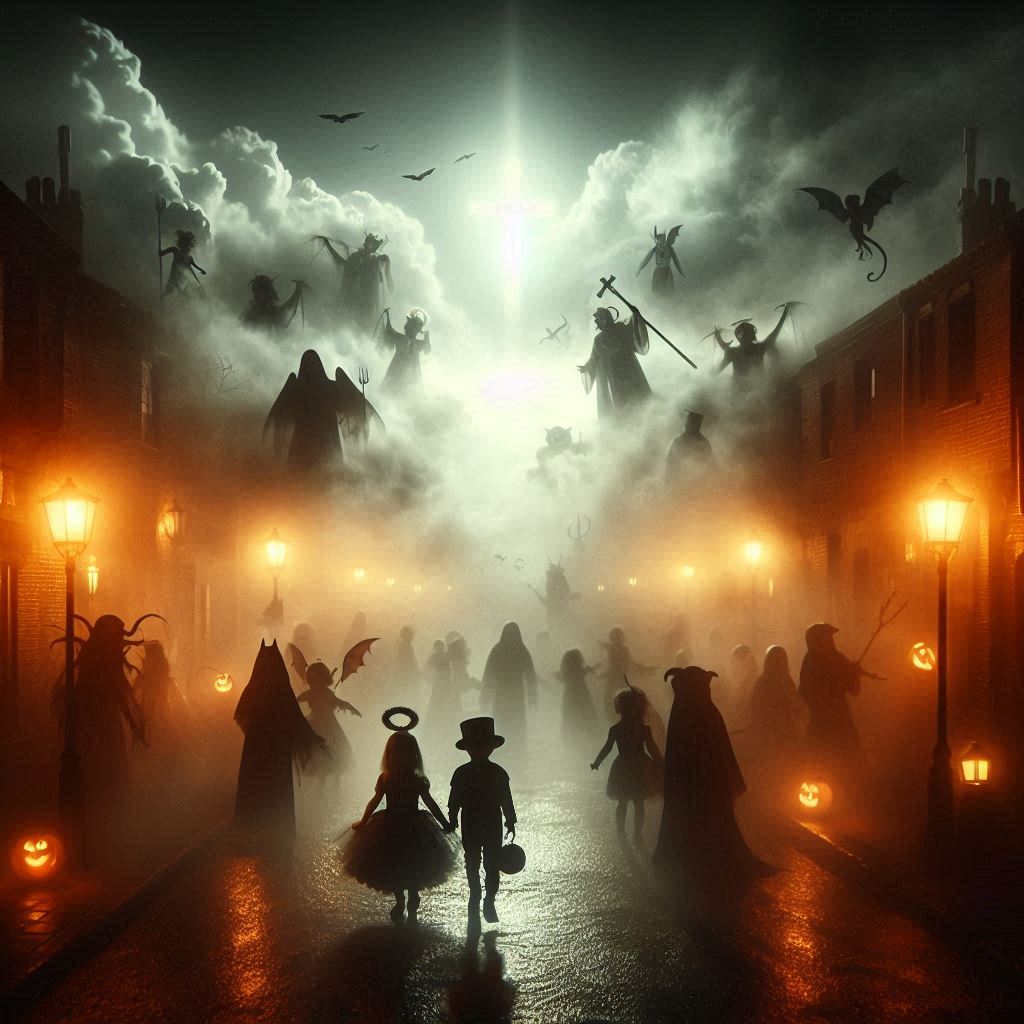
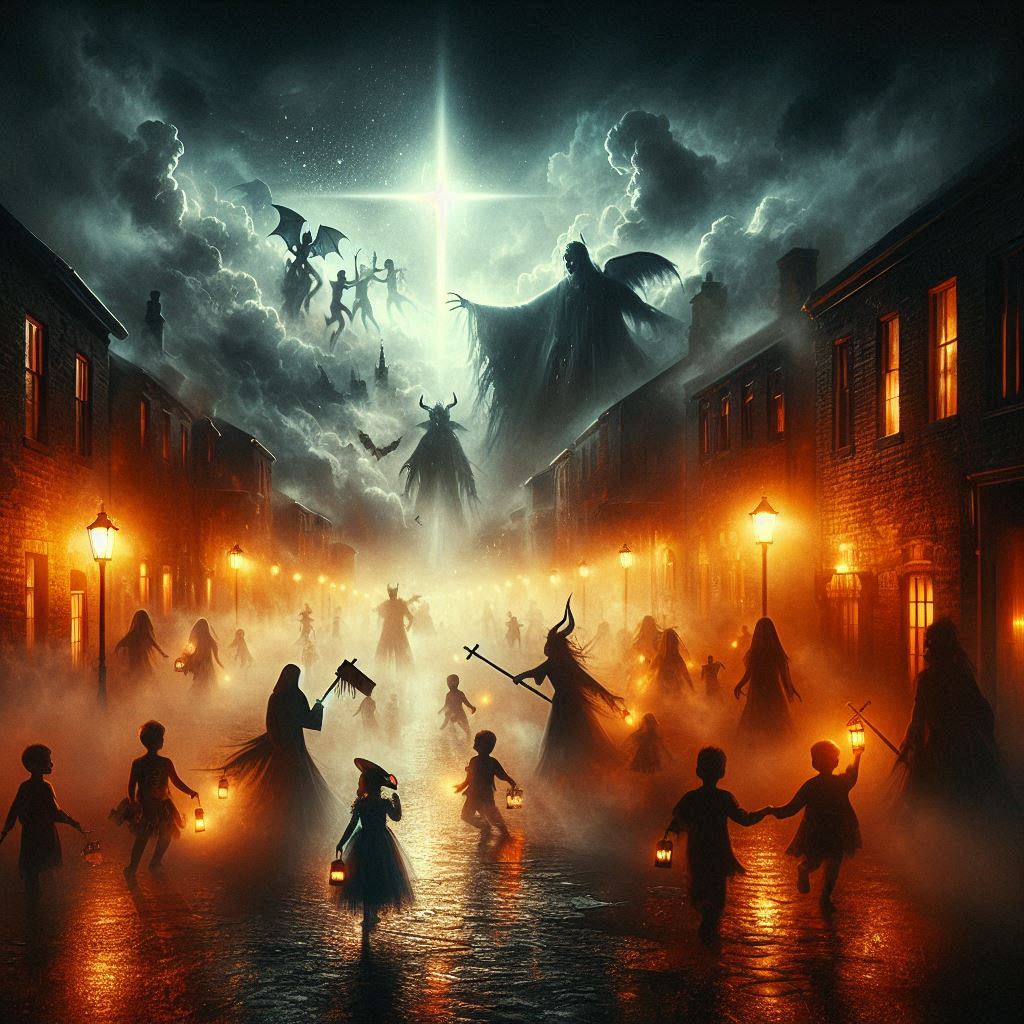
Concern Summary: Halloween has been paraded as harmless entertainment—a night of fantasy, laughter, and community. Yet beneath the costumes and candy lies a powerful deception: the celebration of darkness disguised as fun. Its roots reach back to Samhain, the pagan festival honoring the spirits of the dead, where fear was used as a shield and ritual offerings invited spiritual forces into human affairs. Today, that same ritual has been repackaged by Hollywood and the global entertainment industry, conditioning hearts to delight in what God detests.
The symbols of death, witchcraft, and fear—once shunned as evil—are now glorified as art and marketed to children. This normalization of darkness is not cultural evolution; it is spiritual erosion. Each October, the line between play and participation fades a little more. What begins as imitation becomes acceptance, and what is celebrated in jest soon becomes worship in truth. Halloween is not a neutral tradition—it is a global rehearsal for the coming deception, training a generation to love what God calls unclean and to laugh at what He calls holy.
Scripture Insight: The Bible draws a sharp divide between the works of light and the works of darkness. God’s Word forbids any association with divination, necromancy, or the celebration of death (Deuteronomy 18:10–12). Yet Halloween has inverted this truth—teaching millions to take pleasure in the very symbols of rebellion. Scripture commands: “Have no fellowship with the unfruitful works of darkness, but rather reprove them.” (Ephesians 5:11)
The fascination with death, fear, and horror is not entertainment—it is evidence of a culture under judgment. Isaiah warns of those who “call evil good, and good evil,” and Paul reminds us that “the wages of sin is death.” Halloween embodies this inversion, turning sin into spectacle and rebellion into recreation.
For the believer, participation is not trivial—it is spiritual compromise. Those sealed by the Spirit of God are called to walk as “children of light” (1 Thessalonians 5:5–6), exposing deception, not indulging it. When the world rejoices in darkness, the remnant must shine brighter, bearing witness to the One who conquered death. For Christ did not die so that His people might play with the things He came to destroy.