Concern Summary: In an age marked by confusion and deception, the ability to discern truth brings not comfort but burden, as what is revealed exposes how far the world has drifted from God’s order. The watchman’s role is not to observe passively but to carry and speak what is seen, even when it brings sorrow, resistance, or rejection. Scripture Insight: The watchman’s burden begins when discernment deepens into responsibility, for seeing clearly in a darkened age is not a matter of curiosity but of spiritual weight. True understanding does not leave the heart untouched; it brings sorrow, sobriety, and a…

Concern Summary: The modern cultural shift toward subjective truth and consensus-driven morality increasingly reframes conviction as intolerance and clarity as confrontation. As objective truth becomes marginalized, individuals who stand firmly in biblical truth may experience social, professional, and relational pressure to compromise or remain silent. This environment fosters confusion, discourages moral courage, and subtly conditions society to reject divine authority in favor of human perception. Scripture Insight: Scripture consistently reveals that truth has never been universally accepted, because truth exposes both sin and misplaced authority. When individuals align themselves with God’s Word, they often encounter resistance not merely from people,…

Concern Summary: Modern culture increasingly teaches that truth is personal, fluid, and self-authored. Identity, morality, and meaning are framed as discoveries of the self rather than realities revealed by God. This shift subtly removes all external authority and replaces submission with self-sovereignty. When truth becomes negotiable, conviction is rebranded as intolerance and obedience is dismissed as oppression. This deception does not openly reject God but quietly replaces Him, preserving spiritual language while emptying it of authority and accountability. Scripture Insight: From the beginning, truth has never originated within humanity but has always been revealed by God. Creation itself reflects divine…

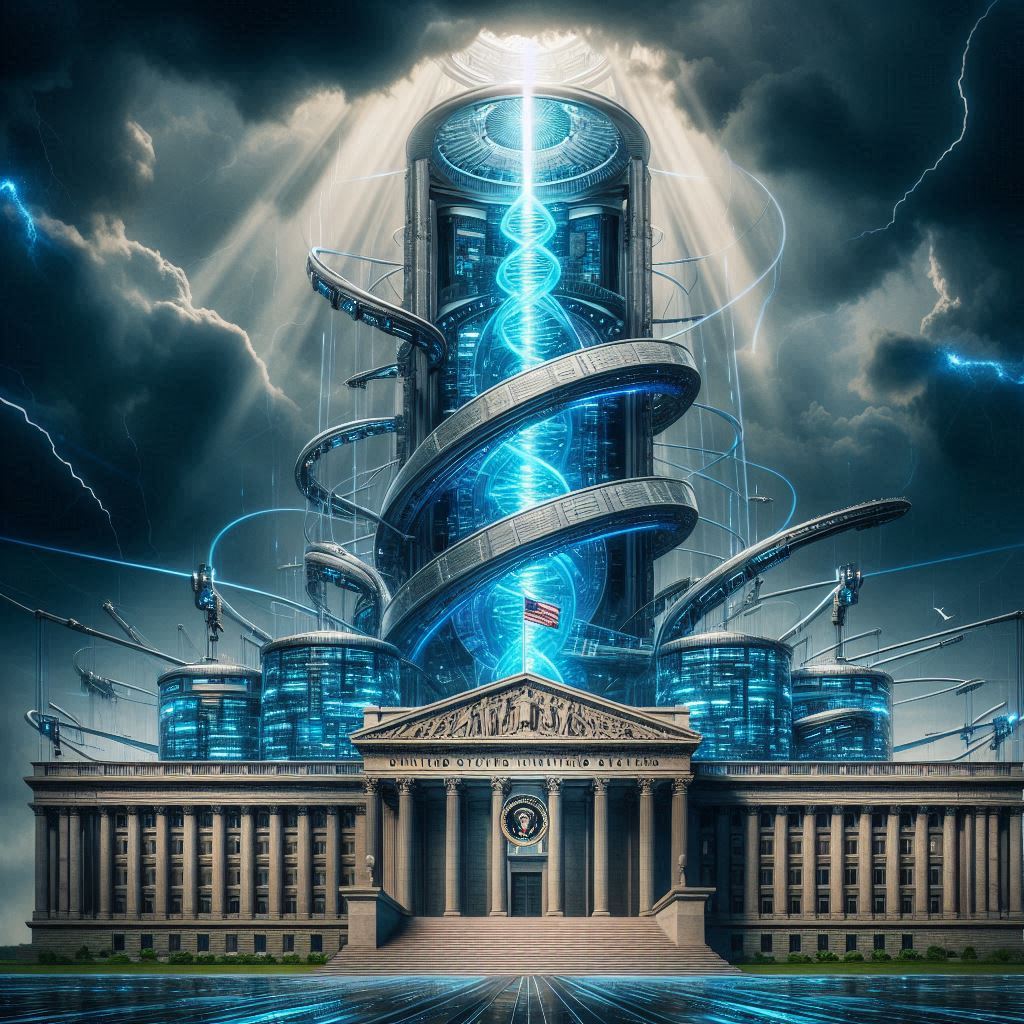
Concern Summary: The promise of “peace and safety” is increasingly used to justify centralized authority, crisis-driven governance, and systems of control that quietly transfer trust away from God and toward human institutions. What appears as protection often masks a deeper spiritual exchange, where obedience to divine truth is replaced with compliance to engineered order. Scripture Insight: Scripture reveals that true peace is not produced by systems, structures, or authority, but flows from obedience and alignment with God’s truth. When peace is pursued apart from repentance and righteousness, it becomes a counterfeit that manages fear rather than restores the soul. Crisis…

Concern Summary: Antichristos reveals that the most dangerous form of spiritual deception is not open hostility toward Christ, but the quiet replacement of His role as Saviour, source of truth, and foundation of reality. Rather than denying the human longing for redemption, this spirit redirects it, offering counterfeit forms of peace, healing, and unity that imitate salvation while removing the necessity of repentance, surrender, and divine authority. What appears on the surface as progress, compassion, and enlightenment conceals a deeper shift: a world that still seeks rescue, but increasingly turns to systems, structures, and ideologies that promise what only Christ…
Peace and safety are not evil in themselves; they are deeply human longings placed within us by God. Yet Scripture reveals that when these longings are detached from truth and obedience, they become vulnerable to imitation. Throughout history, and especially in times of crisis, systems arise that promise protection without repentance, order without righteousness, and stability without submission to God. What they offer feels like refuge, but it subtly shifts the source of trust away from the Lord and toward human authority, technology, and centralized control. In this way, peace becomes something engineered rather than received, and safety becomes something…
Scripture Insight Jesus reveals that true life is not sustained by consumption, systems, or self-preservation, but by submission to God’s spoken truth. The enemy’s temptation was not merely about hunger, but about authority—whether man would act apart from God’s Word even to meet legitimate needs. Where Scripture governs, life flourishes even in scarcity; where it is rejected, decay sets in even amid abundance. Echo Man survives by what he consumes. He lives by what he obeys. When God’s Word is exchanged for comfort, control, or convenience, the body may be fed—yet the soul begins to starve. Reflection This…
1 John 5:5 stands as a clear dividing line between true victory and every false substitute: “Who is he that overcometh the world, but he that believeth that Jesus is the Son of God?” The world is not overcome by strength, strategy, reform, or resistance. It is overcome by faith, steady belief in who Jesus truly is. Victory is not found by mastering the world’s systems, but by stepping out from under their authority through faith in Christ. Overcoming is not a burden carried by effort, it is a position entered by belief. To believe in Jesus as the Son of…
Genesis 1:8 reveals that creation begins with divine clarity, not human speculation. God speaks, creation responds, and meaning is established. The firmament is not discovered by man; it is declared by God. Its naming as Heaven affirms that the visible world is governed by an unseen authority and that the order of creation reflects the wisdom of its Creator. Throughout Scripture, the firmament stands as a witness to God’s glory and permanence. It proclaims that truth is fixed, not evolving, and that God’s design cannot be overwritten by cultural consensus or institutional power. When Scripture speaks of heaven, it does…
A reflection on Daniel’s prophecy revealing how the wise shine with God’s truth in an age of deception, reflecting the order of the firmament.