Concern Summary: There is a subtle but powerful pattern in how history is presented. Figures like Isaac Newton are remembered for their intellect, their discoveries, and their contribution to human progress, yet the foundation of their understanding is rarely explored. What is emphasised is the achievement, while what is omitted is the source. This shaping of perception is not neutral. It reinforces the belief that wisdom originates within man, that knowledge is constructed rather than revealed, and that truth can be reached apart from God. Over time, this produces a culture that values intelligence but loses discernment, that pursues knowledge…

Concern Summary: In an age marked by confusion and deception, the ability to discern truth brings not comfort but burden, as what is revealed exposes how far the world has drifted from God’s order. The watchman’s role is not to observe passively but to carry and speak what is seen, even when it brings sorrow, resistance, or rejection. Scripture Insight: The watchman’s burden begins when discernment deepens into responsibility, for seeing clearly in a darkened age is not a matter of curiosity but of spiritual weight. True understanding does not leave the heart untouched; it brings sorrow, sobriety, and a…

Concern Summary: The modern cultural shift toward subjective truth and consensus-driven morality increasingly reframes conviction as intolerance and clarity as confrontation. As objective truth becomes marginalized, individuals who stand firmly in biblical truth may experience social, professional, and relational pressure to compromise or remain silent. This environment fosters confusion, discourages moral courage, and subtly conditions society to reject divine authority in favor of human perception. Scripture Insight: Scripture consistently reveals that truth has never been universally accepted, because truth exposes both sin and misplaced authority. When individuals align themselves with God’s Word, they often encounter resistance not merely from people,…

Concern Summary: Modern culture increasingly teaches that truth is personal, fluid, and self-authored. Identity, morality, and meaning are framed as discoveries of the self rather than realities revealed by God. This shift subtly removes all external authority and replaces submission with self-sovereignty. When truth becomes negotiable, conviction is rebranded as intolerance and obedience is dismissed as oppression. This deception does not openly reject God but quietly replaces Him, preserving spiritual language while emptying it of authority and accountability. Scripture Insight: From the beginning, truth has never originated within humanity but has always been revealed by God. Creation itself reflects divine…

Concern Summary: Every human being carries within them a built-in, innate knowledge of God inscribed by the Creator at creation. While Scripture indeed affirms natural revelation — “that which may be known of God is manifest in them” (Romans 1:19-20) — there is a hermeneutical danger when this general awareness is elevated or misunderstood as a salvific or self-sufficient knowledge of God. In contemporary ideology, “knowledge of God” can be co-opted into a universalist or innate spirituality narrative that downplays the necessity of Christ, Scripture, and divine revelation for true salvation. The result can be a subtle shift toward naturalistic…
Peace and safety are not evil in themselves; they are deeply human longings placed within us by God. Yet Scripture reveals that when these longings are detached from truth and obedience, they become vulnerable to imitation. Throughout history, and especially in times of crisis, systems arise that promise protection without repentance, order without righteousness, and stability without submission to God. What they offer feels like refuge, but it subtly shifts the source of trust away from the Lord and toward human authority, technology, and centralized control. In this way, peace becomes something engineered rather than received, and safety becomes something…
Scripture Insight Jesus reveals that true life is not sustained by consumption, systems, or self-preservation, but by submission to God’s spoken truth. The enemy’s temptation was not merely about hunger, but about authority—whether man would act apart from God’s Word even to meet legitimate needs. Where Scripture governs, life flourishes even in scarcity; where it is rejected, decay sets in even amid abundance. Echo Man survives by what he consumes. He lives by what he obeys. When God’s Word is exchanged for comfort, control, or convenience, the body may be fed—yet the soul begins to starve. Reflection This…
1 John 5:5 stands as a clear dividing line between true victory and every false substitute: “Who is he that overcometh the world, but he that believeth that Jesus is the Son of God?” The world is not overcome by strength, strategy, reform, or resistance. It is overcome by faith, steady belief in who Jesus truly is. Victory is not found by mastering the world’s systems, but by stepping out from under their authority through faith in Christ. Overcoming is not a burden carried by effort, it is a position entered by belief. To believe in Jesus as the Son of…
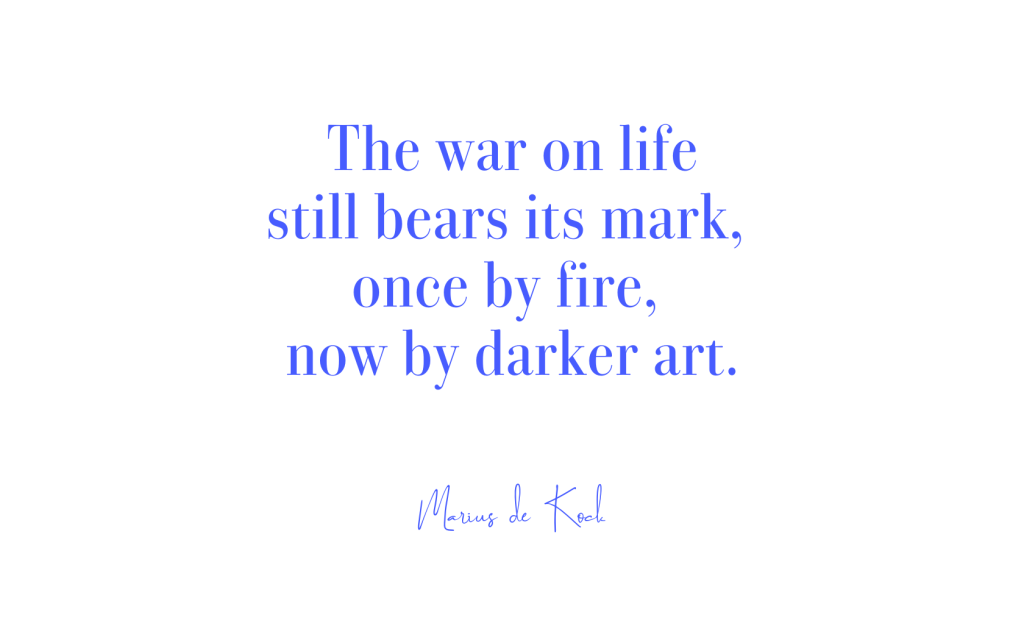
From the moment God’s redemptive plan entered history in human form, the powers of this world responded with fear. Herod did not understand who Christ was, but he understood enough to know that truth threatens authority built on control. His response was not repentance or humility, but preemptive violence—an attempt to erase the promise of God by destroying the innocent. Scripture shows this pattern repeatedly: when rulers reject God, they target life at its most defenseless point. This is not merely a historical account but a spiritual revelation. Pharaoh did the same in Egypt. Babylon did the same in exile.…
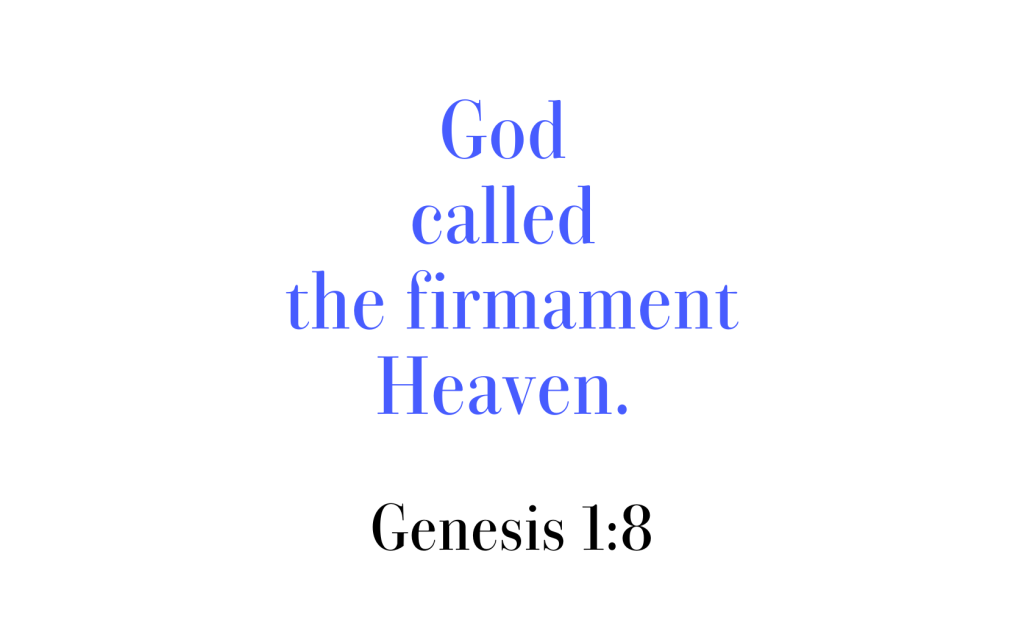
Genesis 1:8 reveals that creation begins with divine clarity, not human speculation. God speaks, creation responds, and meaning is established. The firmament is not discovered by man; it is declared by God. Its naming as Heaven affirms that the visible world is governed by an unseen authority and that the order of creation reflects the wisdom of its Creator. Throughout Scripture, the firmament stands as a witness to God’s glory and permanence. It proclaims that truth is fixed, not evolving, and that God’s design cannot be overwritten by cultural consensus or institutional power. When Scripture speaks of heaven, it does…